Abstract/Summary
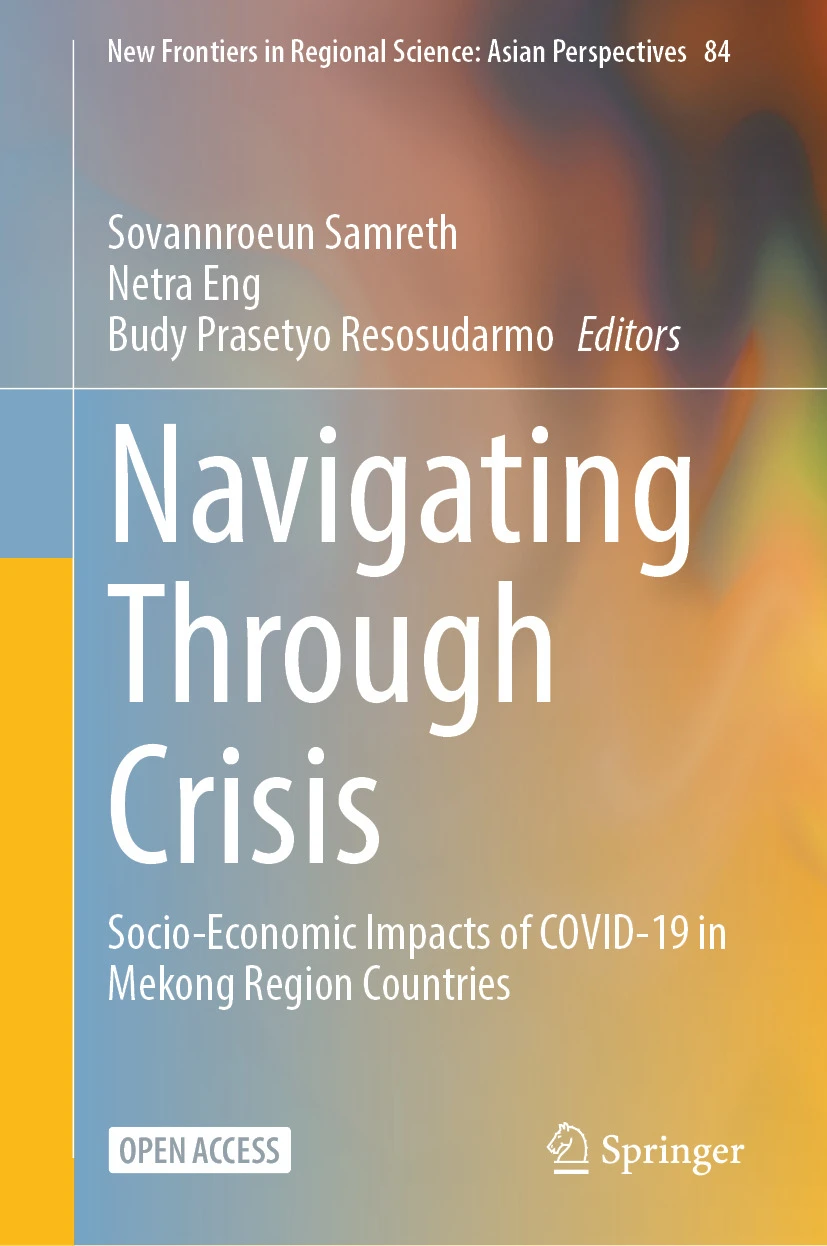
Although the agriculture sector in Cambodia was initially considered less vulnerable to the COVID-19 pandemic, cassava farmers experienced severe economic hardship due to the increase in input prices, fluctuations in output prices, and challenges in infrastructure development. However, these aggregate impacts hide the disproportionate repercussions faced by cash crop farmers, who were more severely affected by public health restrictions and market disruptions. Using data from 301 cassava-farming households across five major cultivation provinces, this study examines the pandemic’s impact on production, labor productivity, and labor participation in Cambodia. Although the price of fresh cassava slightly increased and the price of cassava chips remained stable, farmers lost income due to the increase in input prices and the fall in productivity. Between 2019 and 2021, average production costs rose by 9.3%, while income declined by 8.5%. Despite expanding cultivated land and increasing hired labor, overall productivity decreased. These findings underscore the vulnerability of Cambodia’s cassava sector to external shocks and highlight the need for targeted policy interventions. The paper concludes with actionable recommendations to enhance value addition, strengthen domestic markets for cassava products, and support a resilient post-pandemic recovery.
Open access: https://doi.org/10.1007/978-981-95-1637-7_3
Related Publications
Gender Dynamics and Disparities in Cambodia's Science, Technology, Eng...
10-Jun-2026
This report examines the persistent gender disparities in science, technology, engineering, and mathematics (STEM) educa...
Understanding Academic Achievement Gap in Cambodia: Why Boys Lag Behin...
05-May-2026
The global emphasis on addressing gender disparities in education has highlighted the importance of equitable academic a...
Bridging the Gender Gap in Cambodia’s STEM Education and Careers
29-Apr-2026
Women’s underrepresentation in science, technology, engineering, and mathematics (STEM) in Cambodia reflects structural...